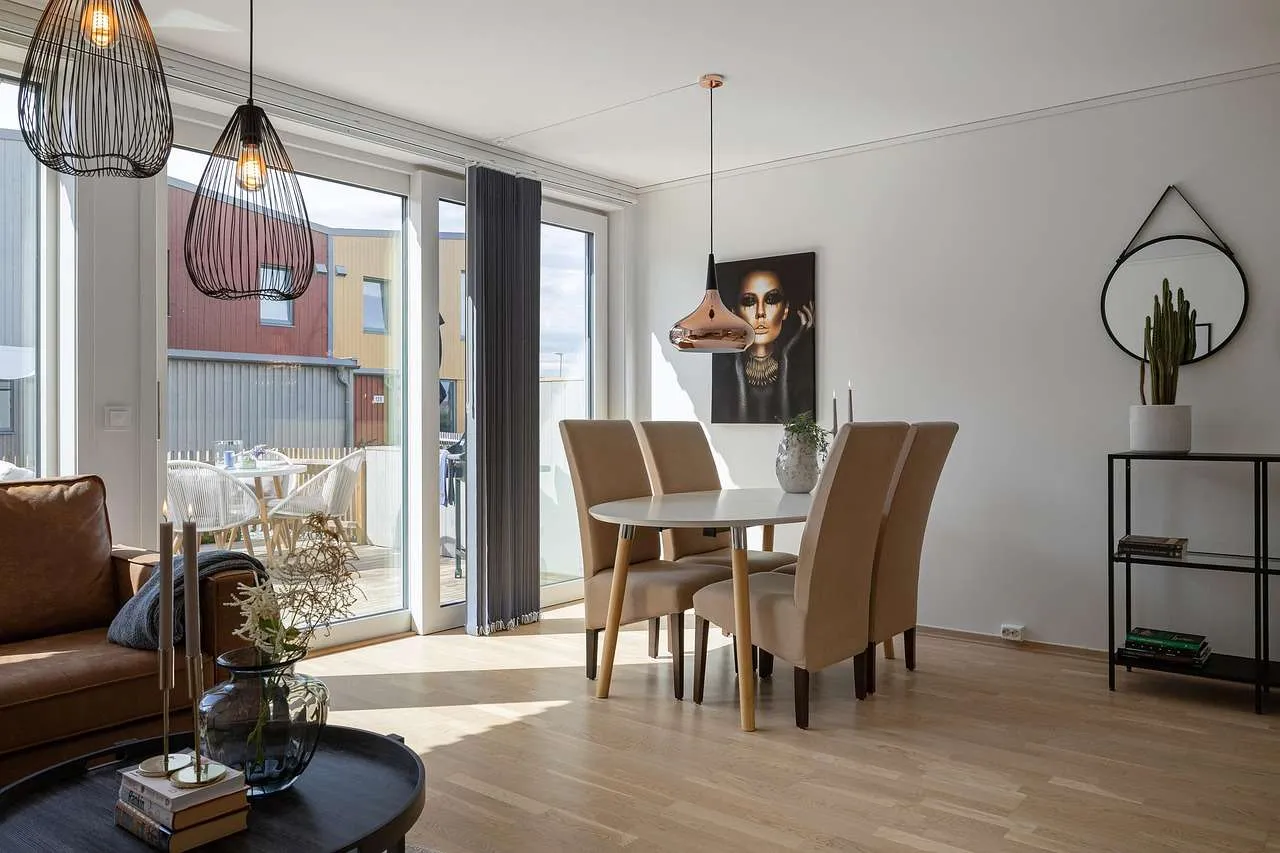
What is window tint for home?
Window tint for home refers to a thin film applied to glass that reduces solar heat gain, blocks UV rays, and adds privacy. The film is usually a polyester substrate with additional coatings and an adhesive layer. It works by absorbing or reflecting sunlight, lowering heat and glare while preserving daylight inside living spaces.
Why homeowners choose window tint for home
Homeowners select window tint for home to improve comfort, protect furnishings, and reduce energy bills. The right film can also enhance privacy without sacrificing natural light and can contribute to a more consistent indoor temperature throughout the day.
Energy savings and UV protection
High-quality window tint for home often blocks 99%+ of UV rays, helping prevent fading of furniture, flooring, and artwork. Solar control films reduce heat gain, which lowers cooling demand. When comparing products, review the SHGC (solar heat gain coefficient) and VLT (visible light transmittance) to balance energy savings with daylight and view.
Privacy, glare, and aesthetics
Tint levels range from barely noticeable to highly reflective. Exterior reflectivity can provide daytime privacy, while some films maintain a neutral interior appearance. Consider your home’s exterior style and neighborhood guidelines to choose a tone that complements aesthetics without compromising visibility at dusk or night.
Types of window tint for home
Different film types offer varying performance, longevity, and price. Here are common options:
- Dyed films: Affordable with decent color stability and UV protection. Can darken over time and may fade in intense sun.
- Metalized films: Excellent heat rejection and glare control, but can interfere with electronic devices and show edge patterns.
- Carbon films: Strong heat rejection with a matte finish and non-reflective look; typically durable and fade-resistant.
- Ceramic films: High performance, superb clarity, high UV rejection, and minimal interference with electronics; higher cost but long-term value.
- Low-E or hybrid films: Advanced coatings tailored for energy efficiency, good for multi-pane or south-facing windows.
Installation options and considerations
Most homeowners hire a licensed installer for a precise fit, professional cleanup, and warranty protection. Professional installation helps ensure corners and edges are sealed properly, bubbles are avoided, and irregular shapes are cut accurately. DIY kits exist, but the risk of improper application can lead to peeling, hazing, or glass damage. Before booking, verify local regulations on reflectivity, window film standards, and required permits. Ask about warranties, fade resistance, and aftercare guidance from the manufacturer.
Cost, ROI, and maintenance
Costs vary by film type, window size, and labor. Typical residential film installations range from $6 to $12 per square foot installed, with ceramic and high-end carbon options at the upper end. A well-chosen tint can reduce cooling costs and furniture fading, providing ROI over 5–10 years in sunny climates. Maintenance is straightforward: clean with a soft cloth and non-ammonia cleaner; avoid abrasive pads or harsh chemicals that can degrade coatings.
Comparison table: Tint types at a glance
| Type | UV Rejection | VLT | SHGC | Durability | Typical Cost (per sq ft) |
|---|---|---|---|---|---|
| Dyed | Good | Low–Medium | Low to Moderate | Moderate | $2–$5 |
| Metalized | Excellent | Low | Low | High | $3–$6 |
| Carbon | Excellent | Low–Medium | Moderate | High | $5–$8 |
| Ceramic | Excellent | High | Low to Moderate | Very High | $6–$12 |
| Low-E/Hybrid | Excellent | Variable | Very Low | High | $5–$10 |
When selecting a film, consider the glass type (single vs. double pane), orientation, and climate zone. Heritage homes or spaces with sensitive fabrics may benefit from conservative VLT and stronger UV protection. Always request a manufacturer data sheet and a sample to compare appearance under different lighting conditions.
Maintenance and aftercare are part of sustained performance. Avoid ammonia-based cleaners that can degrade adhesives. Use a soft cloth and a mild soap solution for routine cleaning, and consult your installer before attempting any removal or replacement.
Summary Window tint for home offers energy savings, UV protection, privacy, and improved comfort. By choosing the right film type—ceramic or carbon for performance—and working with a licensed installer, homeowners maximize ROI while preserving aesthetics and adhering to local regulations.